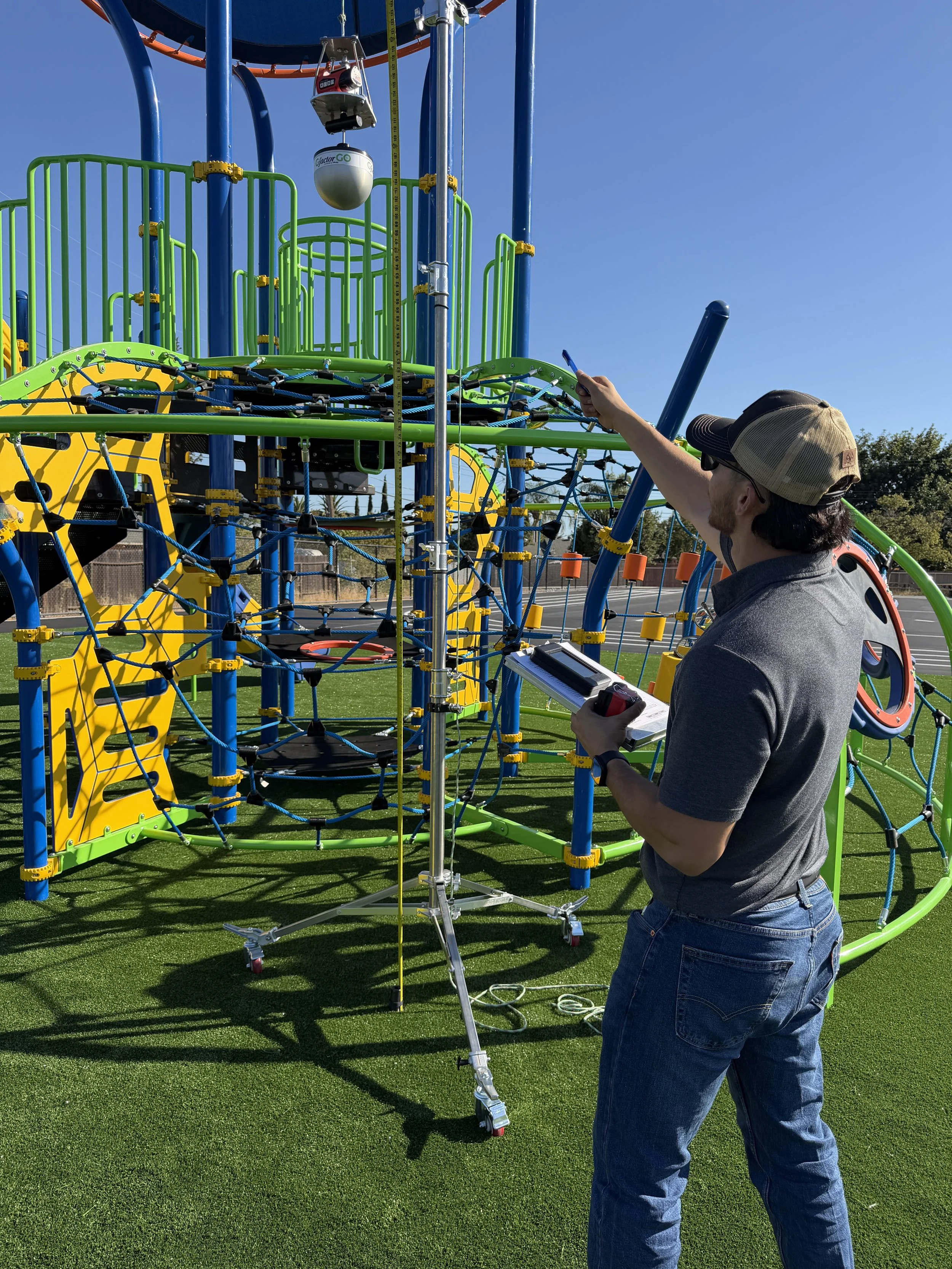
Public playgrounds in California are not simply recommended to meet safety standards. They are legally required to. Under California Health & Safety Code §115725, “All new playgrounds open to the public… shall conform to the playground-related standards set forth by the American Society for Testing and Materials and the playground-related guidelines set forth by the United States Consumer Product Safety Commission.” Additionally, the law requires that playgrounds be inspected by a Certified Playground Safety Inspector (CPSI) to verify compliance and identify hazards before injuries occur.
For cities, school districts, and developers, this means a properly documented inspection is not just best practice. It is a critical step in demonstrating compliance with California safety requirements.
California Law Requires Playground Safety Compliance
What is the Requirement of an Owner?
Operating a public playground involves more than simply installing equipment and opening it to the community. Playground owners are responsible for ensuring that the play environment remains safe, compliant with applicable standards, and properly maintained throughout its lifecycle. Several key responsibilities help accomplish this goal.
Initial Playground Audit
State regulations require that newly installed public playgrounds undergo an initial safety audit performed by a Certified Playground Safety Inspector (CPSI). This inspection confirms that the playground equipment has been installed according to the approved design specifications and that all components meet recognized safety standards.
During this audit, the inspector evaluates the playground layout, equipment installation, spacing between structures, and potential safety hazards. The inspection also verifies that the playground surfacing meets required safety criteria and is capable of providing adequate fall protection.
This initial audit serves as an important step in ensuring that the playground is safe for public use and compliant with applicable state safety requirements.
Annual Playground Inspection
After installation, playground owners must continue to monitor the condition of the playground through routine maintenance inspections. The frequency of these inspections should be annual.
For high use playgrounds, an assessment would determine the frequency of routine maintenance inspections.
Routine inspections are intended to identify developing safety concerns before they become serious hazards. These inspections may reveal issues such as loose hardware, worn components, damaged equipment, or surfacing condition.
Regular inspections allow maintenance teams to address problems early and keep the playground functioning safely for the community.
Maintaining Proper Records
Another important responsibility for playground owners is maintaining accurate documentation of inspections, maintenance activities, and repairs. Proper record keeping demonstrates that the playground is being actively monitored and maintained according to established safety practices.
Typical records may include inspection reports, maintenance logs, repair documentation, and surfacing evaluations. These records not only help organizations track the condition of their playground equipment but also provide important documentation showing that reasonable steps are being taken to maintain safety.
Consistent record keeping plays an important role in risk management and can be valuable in demonstrating due diligence if an incident occurs.
Repairing Identified Hazards
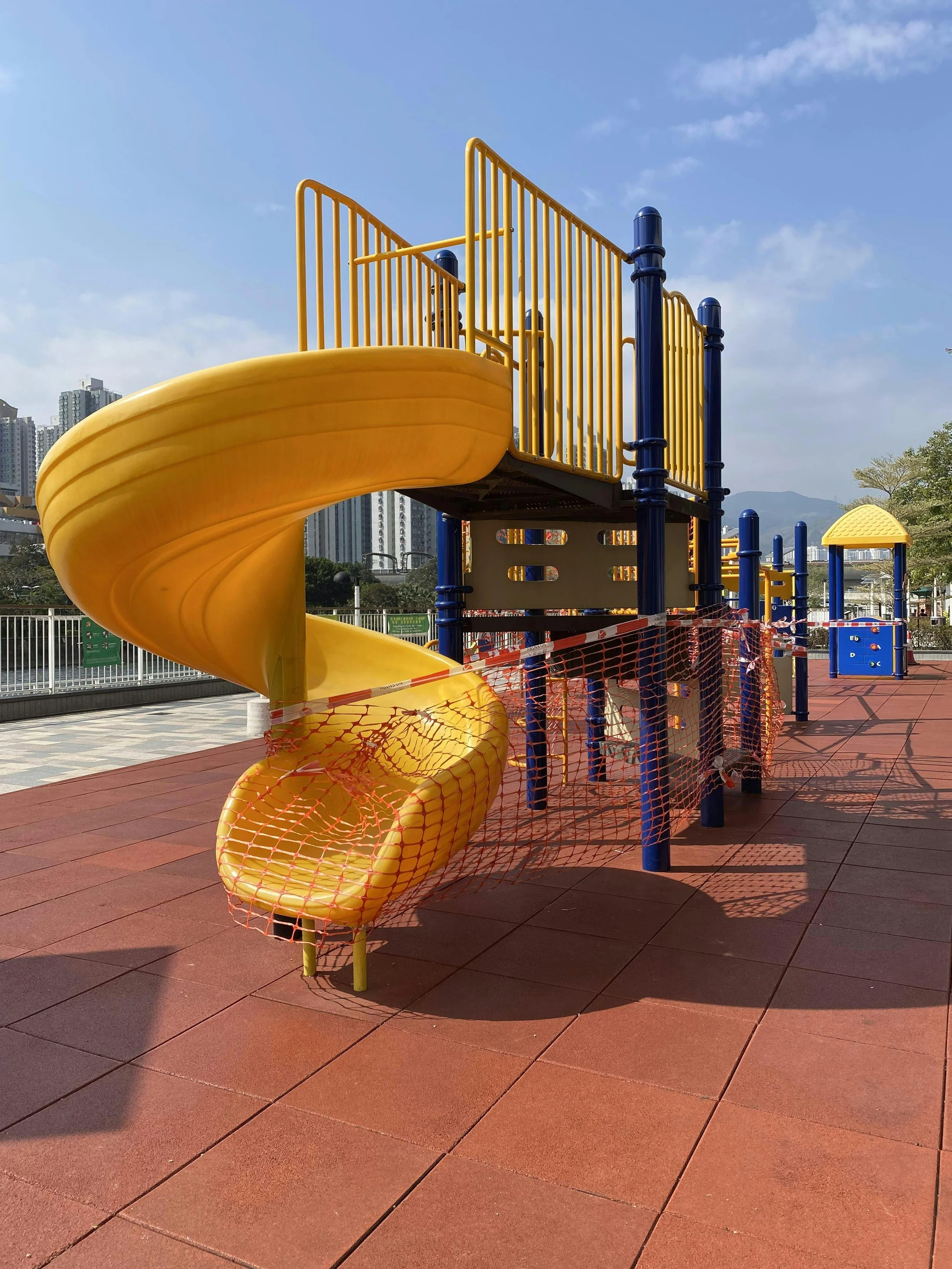
When inspections reveal safety concerns, it is the responsibility of the playground owner to ensure that repairs are performed promptly. Addressing hazards quickly helps prevent injuries and ensures the playground continues to meet safety expectations.
Common repair needs may include tightening or replacing hardware, repairing damaged equipment components, addressing structural wear, or correcting conditions that could create entrapment or entanglement hazards.
Timely repairs are an essential part of maintaining a safe play environment and demonstrate that the playground operator is actively managing safety risks.
Maintaining Loose Fill Surfacing
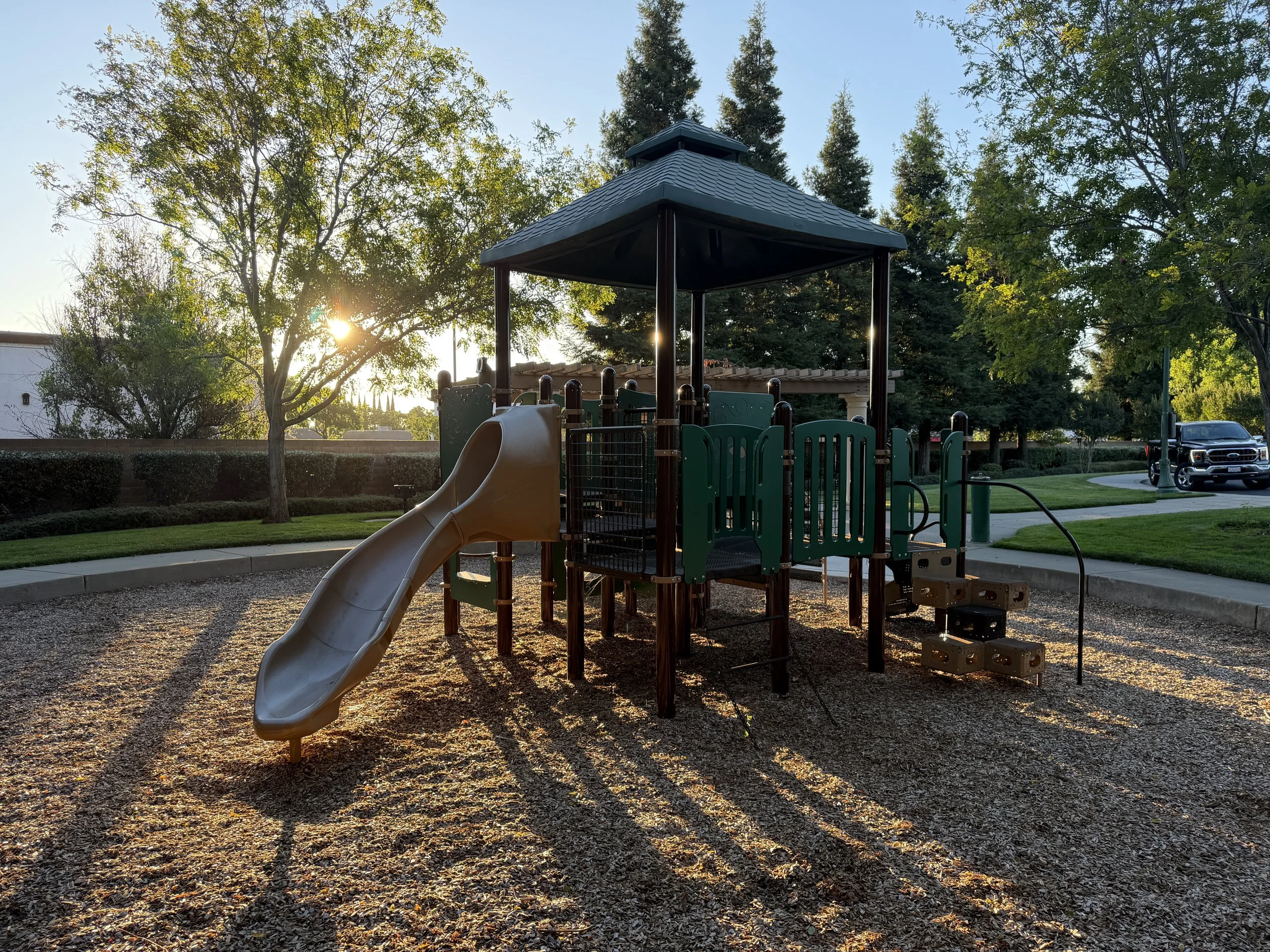
Many playgrounds rely on loose-fill surfacing materials such as engineered wood fiber, rubber mulch, sand, or pea gravel to provide fall protection beneath equipment. These materials require regular maintenance to remain effective.
Over time, loose-fill surfacing can become compacted, displaced by heavy use, or reduced in depth due to weather conditions. When this occurs, the surface may no longer provide adequate protection in the event of a fall.
Playground owners must periodically rake, redistribute, and replenish these materials to maintain the proper depth and ensure that fall protection requirements continue to be met.
If you’ve recently built or are planning a new playground, safety and liability are likely already on your mind. A professionally conducted playground safety inspection helps ensure that the equipment, surfacing, and layout meet current safety guidelines and perform as intended before heavy daily use begins.
At PlayItSafe Playground Inspections, we provide thorough, unbiased inspections designed to help school districts, municipalities, and park departments identify potential hazards early and document compliance with nationally recognized safety standards. The result is peace of mind knowing your playground is not only ready for the community to enjoy, but also supported by clear documentation that demonstrates your agency’s commitment to safety and responsible facility management.